
History of Anantha Padmanabha Swamy Temple
The Anantha Padmanabha Swamy Temple in Thiruvananthapuram, Kerala, is one of the oldest, richest, and most spiritually significant temples in the world. Dedicated to Lord Vishnu in his eternal reclining form as Anantha Padmanabha, this temple stands as a magnificent blend of mythology, royal legacy, architecture, spiritual philosophy, and timeless cultural heritage. Its historical roots run so deep that ancient scripts, legends, and archaeological traces suggest that the temple existed thousands of years before modern civilization recorded its beginnings.
This 5000-word article explores every dimension of the sacred temple—the myths, the kings who protected it, its architectural evolution, tantric rituals, treasures, controversies, cultural influence, and its role in today’s world. history of anantha padmanabha swamy
Introduction to the Temple’s Importance
The Anantha Padmanabha Swamy Temple is located in the city of Thiruvananthapuram, literally meaning “The City of the Holy Anantha.” The temple is one of the 108 Divya Desams, the most sacred shrines of Lord Vishnu as mentioned in Tamil Vaishnava literature. history of anantha padmanabha swamy
Its uniqueness comes from:
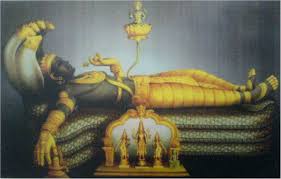
- The 18-foot-long Vishnu deity reclining on the serpent Anantha
- Its mixture of Kerala and Dravidian architecture
- Its connection to the Travancore Royal Family
- Its huge treasures, making it one of the richest temples on earth
- Its legends rooted in cosmic creation
For centuries, the temple stood not just as a religious site but as the spiritual center of a kingdom, a bastion of Vedic culture, and a living symbol of India’s ancient civilization. history of anantha padmanabha swamy
Ancient Origins and Mythological Foundations
The Divine Child and Sage Vilwamangalam
The most significant legend behind the temple is the story of Sage Vilwamangalam, a great devotee with extraordinary spiritual insight. He could sense divine presence wherever it manifested. history of anantha padmanabha swamy
The legend says:
- A mysterious young boy visited the sage’s hermitage often.
- The sage realized the child was not ordinary.
- One day, he scolded the child for mischief.
- Feeling insulted, the child said,
“If you want to see me again, search for me in the forest.” - The sage followed the child into the wilderness and suddenly witnessed an enormous cosmic form.
- In that form, the child revealed himself as Lord Vishnu, reclining across miles on the serpent Anantha.
Overwhelmed, the sage requested the Lord to stay permanently in that form. The place where the divine form appeared became the site of the Anantha Padmanabha Swamy Temple.
This legend forms the spiritual foundation of the temple.
The Cosmic Form – Ananthasayanam
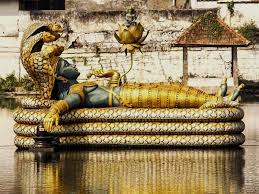
The temple’s deity lies in the Ananthasayana posture, representing:
- Vishnu as the preserver of the universe
- Reclining on Adisesha, the serpent of eternity
- A lotus emerging from his navel
- Lord Brahma seated on the lotus
- Goddess Lakshmi seated near Vishnu’s feet
This symbolizes the origin of the universe, the eternal cycle of creation, preservation, and dissolution. history of anantha padmanabha swamy
Early Historical Mentions and Archaeological Clues
Mentions in Sangam Literature
Tamil Sangam texts dating back to 100 BCE – 300 CE refer to a great Vishnu shrine in present-day Thiruvananthapuram. Poets described a reclining god worshipped by travelers, merchants, and seafarers. history of anantha padmanabha swamy
Pandyan, Chera, and Chola Influence
The region was part of the Ay Dynasty, later influenced by:
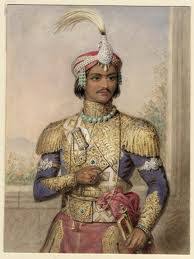
- Chera rulers
- Pandya kings
- Chola emperors
Inscriptions mention:
- Land donations
- Jewels for the deity
- Community offerings
- Expansion of temple structures
These references indicate that the temple was already a major spiritual center more than a thousand years ago. history of anantha padmanabha swamy
Medieval Period and Transformation into a Royal Temple
Rise of the Travancore Kingdom
The temple gained massive prominence during the era of the Travancore Kings, especially during the 14th–18th centuries.
Maharaja Marthanda Varma – The King Who Surrendered His Kingdom
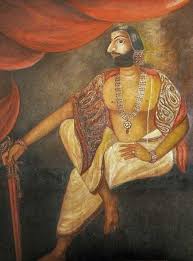
The most revolutionary moment in the temple’s history happened in 1750 when Marthanda Varma, the founder of modern Travancore, surrendered his entire kingdom to Lord Padmanabha.
This act is known as Thrippadidanam.
He declared:
“From this day, the kingdom belongs to Lord Anantha Padmanabha. I will rule merely as his servant (Padmanabha Dasa).”
This changed the political landscape:
- The temple became the spiritual and political authority of Travancore.
- Kings ruled in the name of the deity.
- Taxes, royal decisions, land rights—everything was offered to the Lord.
This era strengthened the temple’s wealth and power. Renaissance in Administration, Culture, and Art
The temple became a patron of:
- Carnatic music
- Kathakali
- Tamil and Malayalam literature
- Vedic schools
- Temple arts and mural painting
Royal protection ensured that temple traditions remained pure and untouched. history of anantha padmanabha swamy map location -google maps
Architectural Grandeur of the Temple
Combination of Kerala and Dravidian Systems
The temple’s architecture is a marvel that blends:
- Kerala’s sloping wooden roofs
- Tamil Nadu’s towering gopurams
- Rich stone carvings
- Intricate murals
- Sacred geometry and vastu principles
The seven-tier gopuram at the entrance is a masterpiece.
Construction of the Idol – The Katu-Sarkara-Yogam Method
The main deity is not carved from stone. Instead, it is built through a rare ancient process using:
- Ayurvedic herbs
- Sandalwood paste
- Lime
- Jaggery
- Coconut
- Precious stones
- Metals
This method is called Katu-Sarkara-Yogam, which preserves the idol for thousands of years.
The idol is 18 feet long and viewed through three doors:
- Head
- Torso with Brahma
- Feet
This makes the experience divine and unique.
Rituals, Festivals, and Traditions
Strict Rituals Rooted in Tantric and Vedic Practices
The temple follows ancient rituals such as:
- Pancha-ratra
- Tantra Samucchaya
- Vaikanasa traditions
Each ritual is precise and performed by priests trained for generations.
Grand Festivals
Major festivals include:
- Alpasi Festival
- Meenam Festival
- Laksha Deepam (once every 6 years)
- Vishu
- Navaratri Mandapam concerts
During Laksha Deepam, one lakh oil lamps are lit, illuminating the temple in spectacular beauty.
The Temple Treasures – The World’s Greatest Hidden Wealth
In 2011, a Supreme Court-monitored opening of the vaults revealed unimaginable treasures. history of anantha padmanabha swamy
Vault A Findings
Items discovered included:
- Tons of gold
- Gem-studded crowns
- Golden idols
- Antique jewels
- Coins from medieval kingdoms
- Diamonds, rubies, and emeralds
The estimated value was over 1 trillion USD, making it one of the richest religious institutions in the world.
The Mystery of Vault B
Vault B remains unopened due to:
- Ancient warnings in scripts
- Belief in divine guardians
- Fears of disturbing spiritual energy
- Tantric prohibitions
It is believed to contain even greater treasures and perhaps sacred objects of immeasurable historical value.
Colonial Period and Post-Independence Era
Relationship with the British
The Travancore Kingdom maintained diplomatic relations with the British, who respected the royal family’s devotion to the temple. history of anantha padmanabha swamy
After 1947 – Integration into India
When India became independent:
- Travancore merged with the Indian Union
- The temple continued to be managed by the royal family
- Even today, the titular king is known as Padmanabha Dasa
Modern Legal Cases
In recent decades, legal disputes emerged regarding temple administration.
In 2020, the Supreme Court reinstated the Travancore Royal Family as temple custodians. history of anantha padmanabha swamy
Cultural Impact and Influence
Influence on Kerala’s Culture
The temple shaped Kerala’s:
- Classical art
- Literature
- Social structure
- Architecture
- Festive traditions
A Pilgrimage Center for the World
Millions visit the temple each year seeking:
- Peace
- Prosperity
- Blessings
- Healing
- Divine connection
Visitors include devotees, travelers, scholars, historians, and spiritual seekers from across the globe.
The Temple in Modern Times
Tourism and Global Interest
The discovery of treasure turned global attention toward the temple.
It is now recognized as a major heritage site. history of anantha padmanabha swamy
Preservation and Conservation
Experts continue to work on:
- Structural conservation
- Protection of murals and artifacts
- Digital archives
- Ritual documentation
The temple maintains its ancient identity while adapting to modern needs.
